Advanced Earth Resource Exploration
From the silent depths of the lithosphere to the vibrant crystals of the mantle, Xerovia is a leader in geological sciences, precision drilling, and gemological expertise.
For over three decades, our team of dedicated geologists, mineralogists, and engineers has traversed the most remote and geologically complex terrains on Earth. Our journey begins where ancient volcanic activity and tectonic shifts have left their fingerprints on the rock record. Through advanced seismic imaging, geochemical analysis, and deep-core drilling, we transform raw, unyielding rock into the precise intelligence required to power modern civilization.
Whether we are mapping the hidden veins of precious metals, capturing the immense potential of lithium-rich brine fields, or unearthing the raw elements that will become tomorrow’s treasured birthstones, Xerovia stands at the forefront of responsible exploration. Our commitment to environmental stewardship ensures that while we delve deep into the Earth's crust, we protect the delicate surface ecosystems above it.
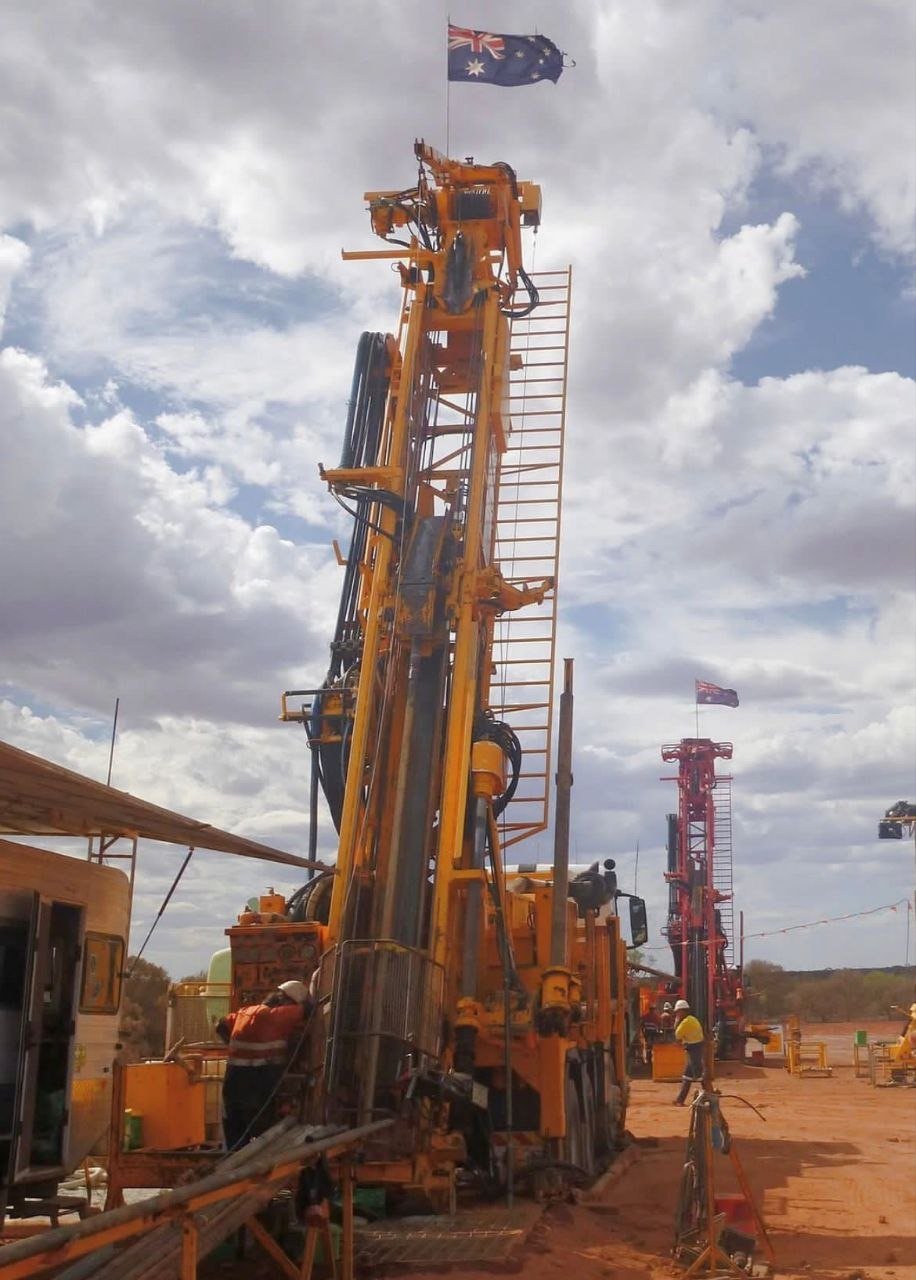
Drilling is the bridge between geological theories and physical reality. Our heavy-duty rigs are engineered to bore through multiple layers of the Earth's crust, from soft sedimentary topsoil to hard crystalline basement rock.
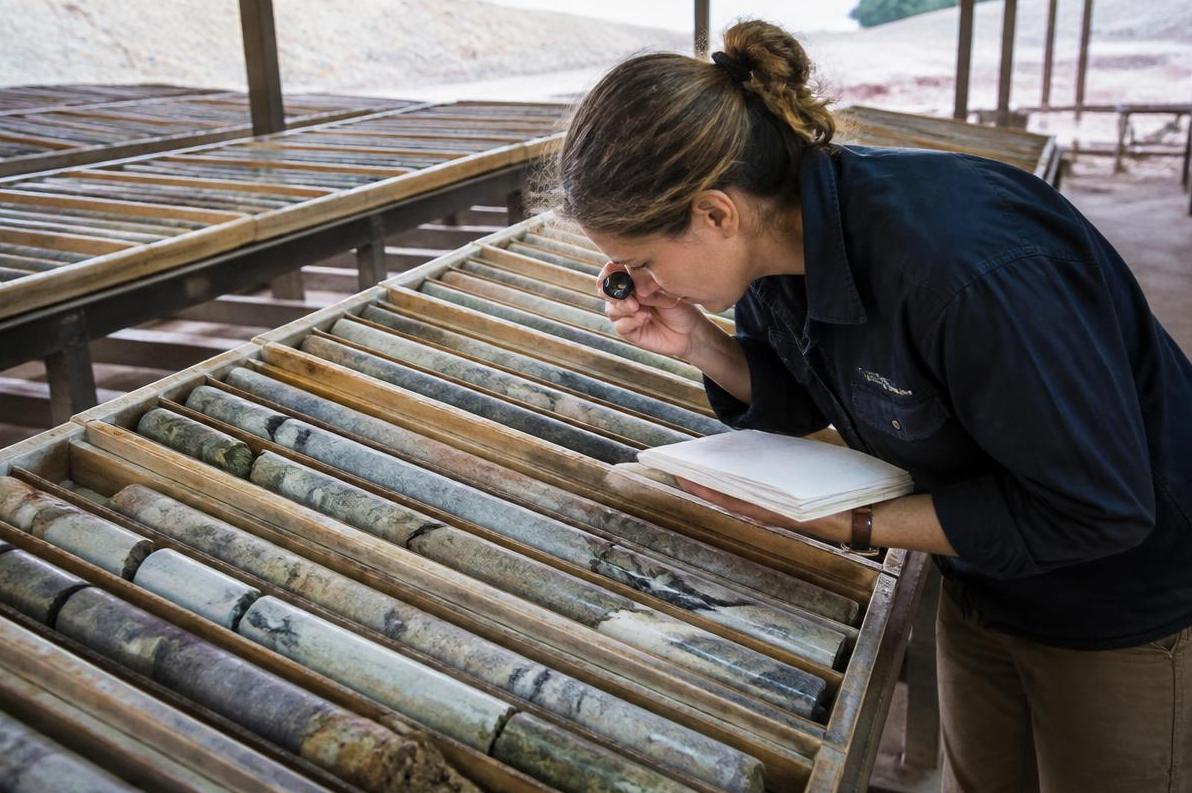
When a drilling rig operates, it continuously circulates mud to cool the drill bit and bring rock cuttings to the surface. As the bit grinds deeper, we extract continuous cylinders of rock called "core samples." These samples allow our geologists to see the exact sequence of geological formations, identify potential reservoirs of oil or water, and detect mineral veins that are often invisible from the surface.
Maximum drilling depth
Boreholes completed
Rigs in operation
Experience our operations through our high-definition field footage, lab photography, and heavy machinery in action.
Watch our drill rigs and machinery in action on-site, showcasing heavy operations in motion.
Detailed walkthroughs of our real-time exploration process on the field.
Precision lifting and machinery handling on our remote extraction sites.
Detailed field inspections and quality assurance checks carried out by our engineers.
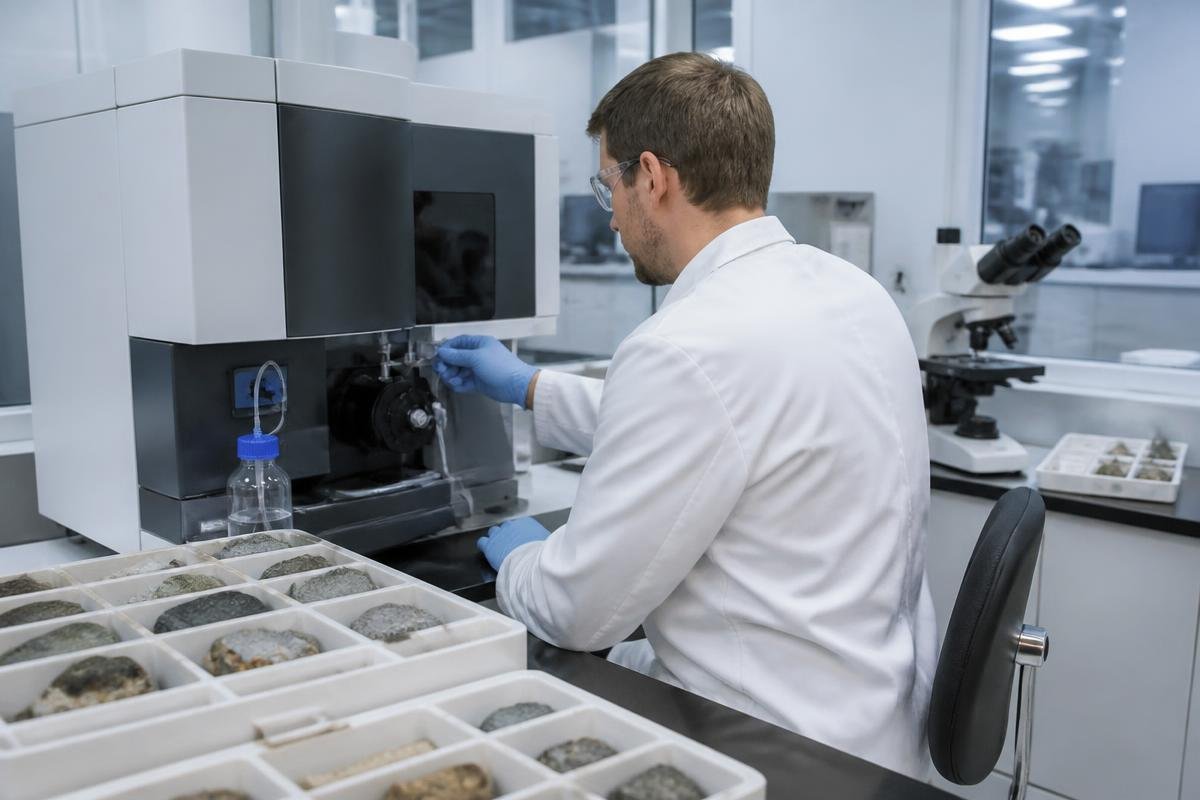
High-precision analysis in our state-of-the-art facilities.
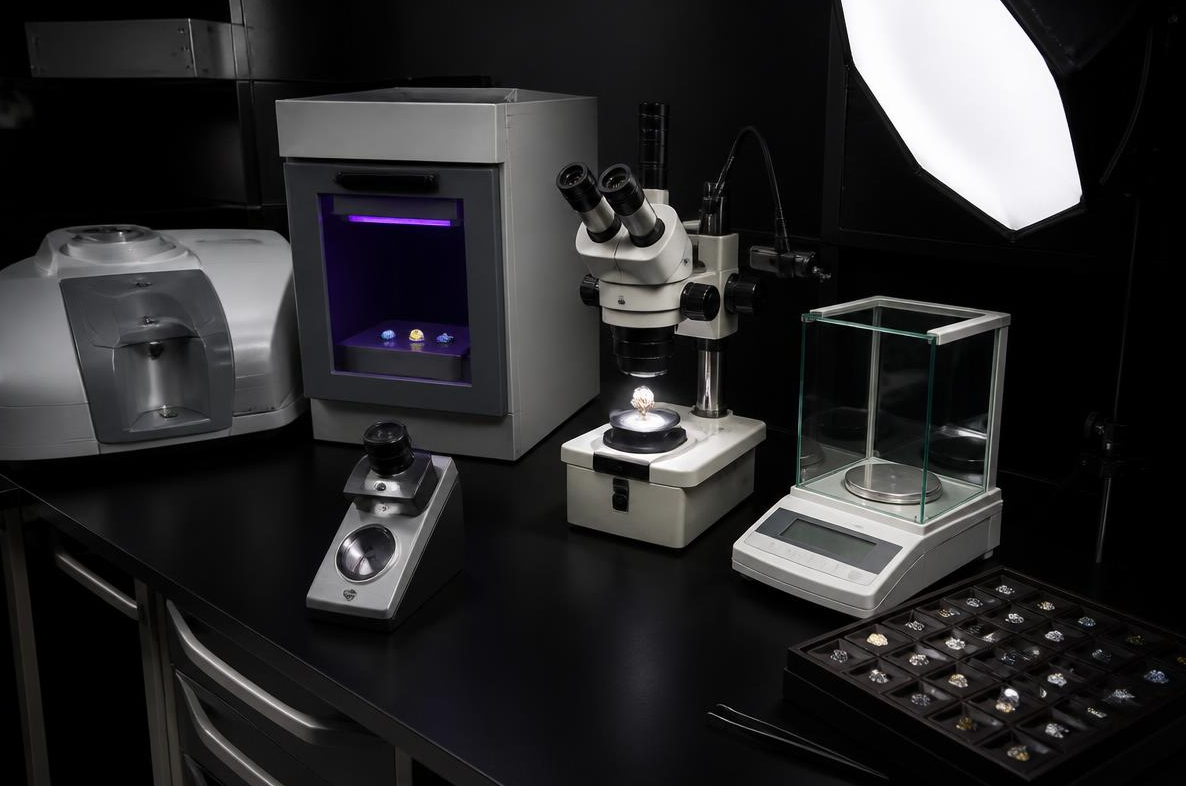
Gemmological instrumentation for non-destructive identification of stones.
Advanced sampling and testing procedures applied to our exploratory data.
Our team conducting on-site geological operations in extreme conditions.
The Earth is a constantly evolving machine. The Rock Cycle describes the transformation of one rock type into another. Igneous rocks form from the cooling of magma. These rocks are then weathered and eroded into sediment, which is compacted over millions of years to form Sedimentary rocks. When these rocks are buried deep within the Earth, subjected to extreme heat and pressure, they morph into Metamorphic rocks.
1. Igneous: Magma cools and solidifies, creating crystals.
2. Sedimentary: Sediment is compressed into layers.
3. Metamorphic: Existing rocks are transformed by heat and pressure.
4. Melting: Rocks melt back into magma, restarting the cycle.
The Crust: 5-70 km thick. Rich in silica, aluminum, and various minerals. This is where all human interaction with the solid earth takes place.
The Mantle: 2,900 km deep. Extremely hot, igneous rock that drives plate tectonics.
The Outer Core: 2,200 km thick. Liquid layer of molten iron and nickel, responsible for the Earth's magnetic field.
The Inner Core: 1,250 km radius. Solid sphere of iron and nickel with temperatures exceeding 5,400°C.
The Earth's crust is divided into massive tectonic plates floating on the semi-molten asthenosphere. Where these plates pull apart, magma rises to form new crust. Where they crash into each other, they create the intense heat and pressure required to form some of the world's most valuable resources.
Meet the geoscientists leading Xerovia’s exploration across continents.
Geologist
Headquarters: USAPeter Jones is a seasoned geologist with over two decades of experience in mineral exploration and structural geology. Based at our USA headquarters, he has led major drilling campaigns across the Rocky Mountains, the Basin and Range, and the Appalachian fold belt. Peter specializes in interpreting complex rock sequences, identifying ore‑forming systems, and integrating field data with geophysical models. His work has directly contributed to the discovery of several high‑grade precious and base metal deposits, and he is a passionate advocate for sustainable resource development.
Geoscientist
Headquarters: AustraliaRose Chandler is a geoscientist based in Australia, where she leads Xerovia’s geoscience initiatives across the Murray Basin and beyond. With a background in both geology and geophysics, Rose combines remote sensing, seismic interpretation, and geochemical analysis to map subsurface structures and locate hidden mineral systems. Her expertise in basin analysis and regolith geology has been instrumental in unlocking new exploration targets in some of Australia’s most challenging terrains. Rose is dedicated to advancing innovative, low‑impact exploration methods.
Click any image to zoom in for a closer look.
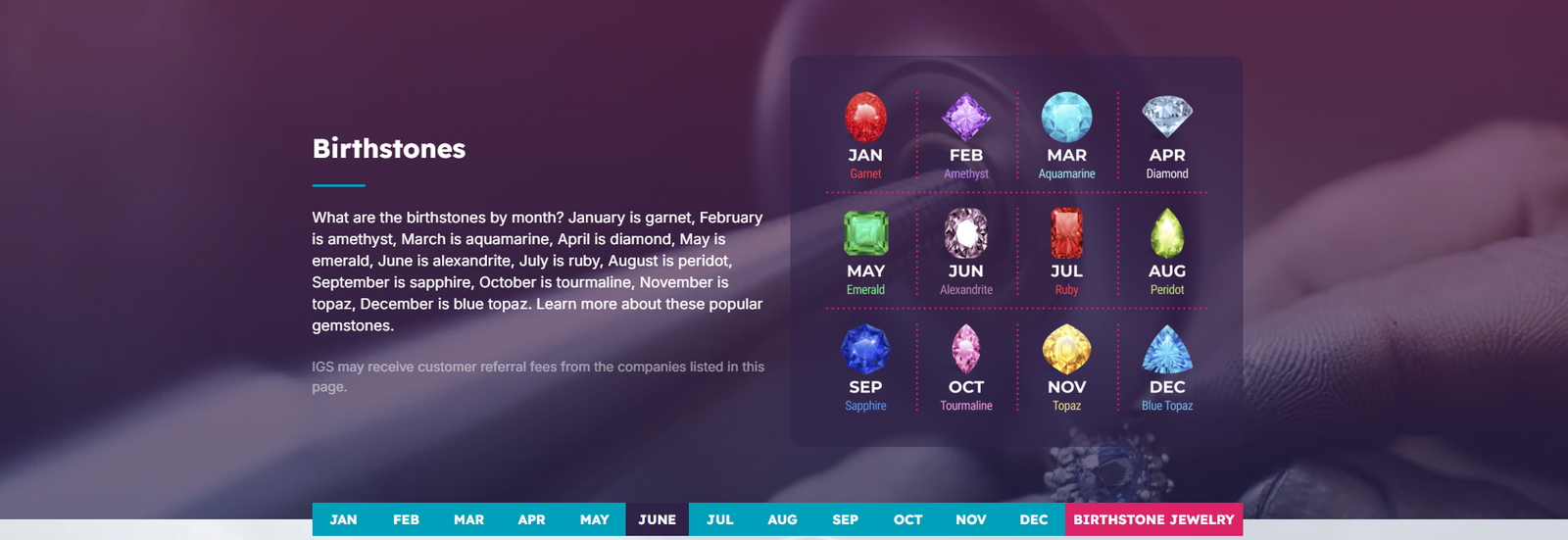
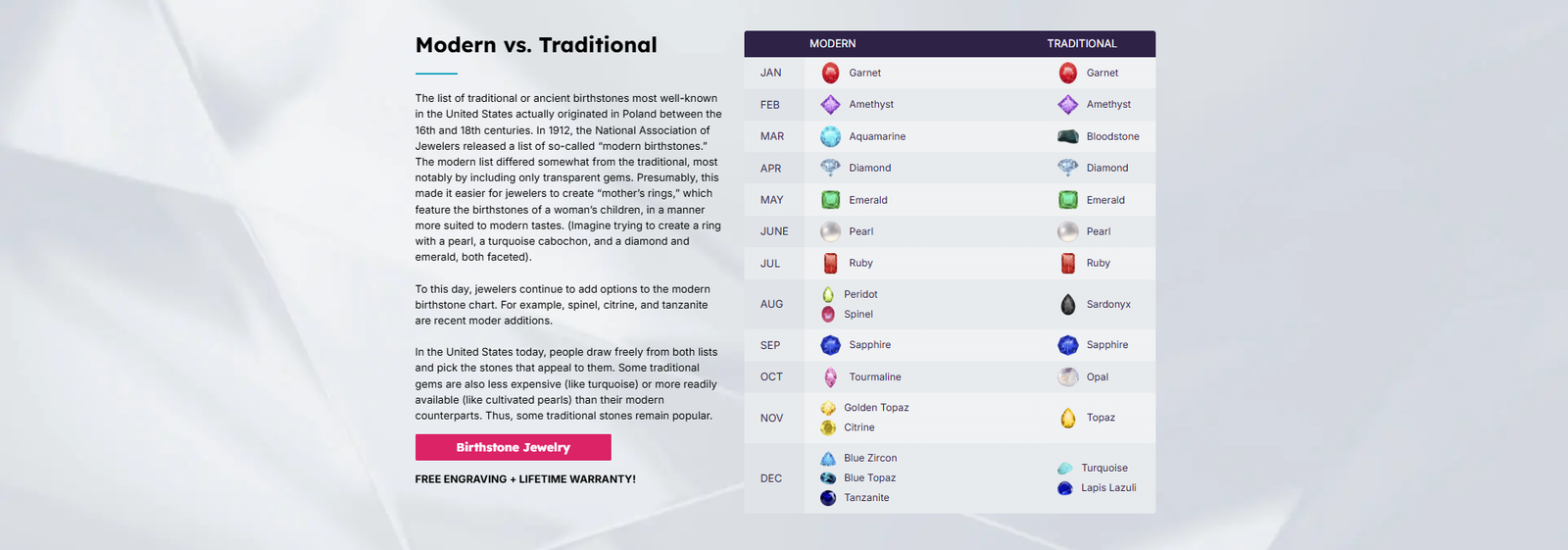
January
Deep red and hardened within metamorphic rocks under extreme pressure. Historically, garnets were worn as protective talismans by travelers.
February
A purple variety of quartz. Formed inside hollow geodes. Ancient Greeks believed it prevented drunkenness.
March
Aquamarine is the blue-green variety of the mineral Beryl, forming in granite pegmatites.
April
The hardest known natural material, forged 100 miles below the surface under immense pressure.
May
Also a member of the Beryl family, emeralds get their stunning green color from traces of chromium.
June
Pearls are biologically created, formed inside mollusks as a defense against irritants.
July
The red variety of corundum, made intensely red by chromium. It is called "King of Precious Stones."
August
A transparent olive-green gemstone formed deep in the Earth's upper mantle. Also found in meteorites.
September
The blue variety of corundum, colored by iron and titanium. Ancient kings wore sapphires for protection.
October
A complex crystal that comes in a rainbow of colors; some even show multiple colors in one stone.
November
A naturally occurring fluoride silicate crystal. The legendary "Imperial Topaz" promotes truth.
December
A deep blue metamorphic rock. Its intense color comes from lazurite, speckled with gold pyrite.